September 17, 2026
How Much Does an Eye Exam Cost Without Insurance?
Your eye exam cost without insurance depends on several factors, including the type of exam you need, the provider you choose, and where you live. But that also means you have a lot of choices, and you can find the best affordable eye care option for you. Today, clear, comfortable vision doesn't depend on whether you have access to a vision insurance policy, and you don't need to delay scheduling eye care appointments because of cost concerns.
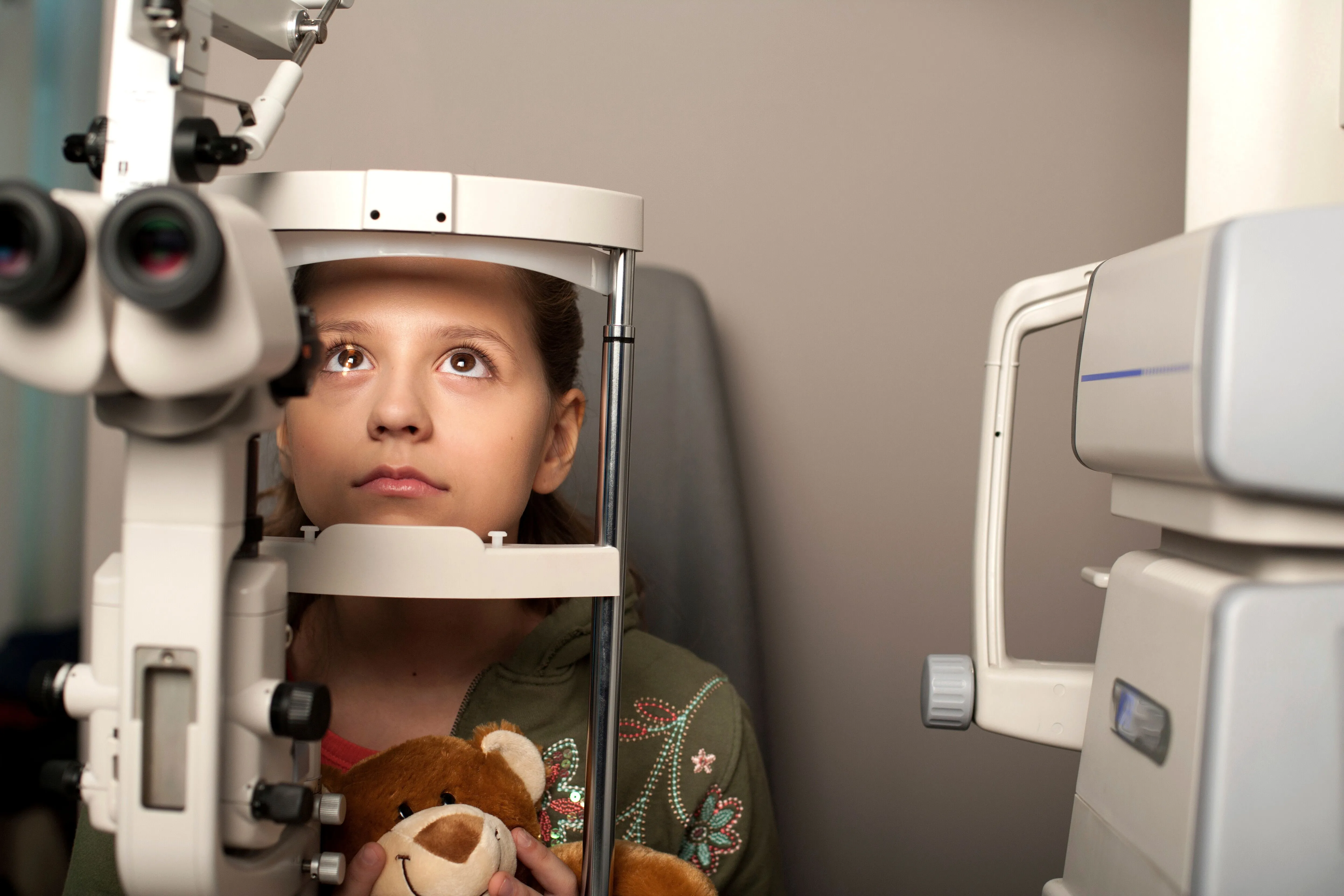 A routine visit to an eye doctor does far more than update your prescription for no insurance glasses or contacts. It acts as an early warning system for asymptomatic chronic conditions, including glaucoma, diabetic retinopathy, macular degeneration, and hypertension. If you are paying out of pocket, finding an affordable eye exam without sacrificing clinical quality is entirely achievable. This comprehensive guide breaks down the typical eye exam cost without insurance, benchmarks retail and private practice pricing, details practical cost-saving strategies, and shows you exactly what a thorough clinical exam must include.
Average Eye Exam Costs
When booking a no insurance eye exam, nationwide cash-pay prices typically vary widely and can range from $55 to $210+. The wide price variance stems from geographical location, provider credentials, equipment sophistication, and whether your visit is categorized as routine or medical.
Geographical Differences
If you live in an urban area, your costs might be higher for vision care, while if you live in a smaller region or town, the costs can be lower. This cost difference can often depend on the cost of living where the eye care provider is located. However, this can change. If you live somewhere where there are numerous providers within a small area, costs can be lower due to competition, whereas if you're living somewhere where there is one eye care provider servicing a large region, the costs could potentially be higher.
Routine Vision Check vs. Comprehensive Medical Eye Exam
Understanding the difference between a routine vision check and a medical eye evaluation helps prevent unexpected billing surprises:
A Routine Eye Exam
The routine eye exam evaluates visual acuity, determines refractive error (myopia, hyperopia, astigmatism, presbyopia), and provides an updated optical prescription. It includes baseline structural screenings like checking pupil responsiveness and intraocular pressure. This is typically the least expensive type of eye exam.
Comprehensive Medical Eye Examination
The more thorough version of an exam is the comprehensive medical eye examination, and it evaluates a lot more than a routine eye exam does. It is required when a patient presents with an active ocular pathology, underlying medical diagnosis affecting the eyes (such as type 1 or type 2 diabetes), or acute symptoms like sudden flashes, persistent floaters, or eye pain.
These types of exams can be far more expensive when you are paying out of pocket because they require extensive diagnostic testing, specialized imaging, and clinical management plans. They can start at $150 and go up.
Optometrist vs. Ophthalmologist Visits
Choosing the right specialist directly impacts your cost of routine eye exam out of pocket:
- Doctor of Optometry (OD): Optometrists complete four years of post-graduate doctoral training in optometry. They handle primary eye care, refractive vision testing, contact lens fittings, and the diagnosis and medical management of standard ocular conditions. For a standard cash-pay eye exam, seeing an optometrist is the most cost-effective approach.
- Medical Doctor / Ophthalmologist (MD/DO): Ophthalmologists are medical doctors who completed medical school and an ophthalmic surgical residency. They specialize in complex surgical interventions (cataract extraction, vitreoretinal surgery, LASIK) and advanced medical disease management. Cash-pay visits with an ophthalmologist carry higher baseline rates that can start at $200 and increase significantly depending on your need.
Contact Lens Fittings Cost More
If you are looking for an affordable eye exam and you prefer contacts for your eye care solution, the costs are higher. All of the standard costs mentioned above are for eyeglass exams. Because contact lenses are medical devices placed directly onto the cornea, they require a contact lens evaluation and fitting, which can include corneal curvature mapping, tear film evaluation, diagnostic lens trials, and follow-up checks to confirm lens movement, oxygen permeability, and ocular surface health.
Expect to pay an additional fee starting at $50 to $150 or more if you need contacts instead of eyeglasses. You can tell your provider ahead of time that you only need an exam for no insurance glasses or that you need an exam for contacts so that you can understand your costs before committing to the exam.
Discover How to Find an Affordable Eye Exam Without Insurance
Finding a no insurance eye exam does not mean you have to compromise on clinical standards because most eye exam providers offer cash pay options.
 ### Big-Box Retailers
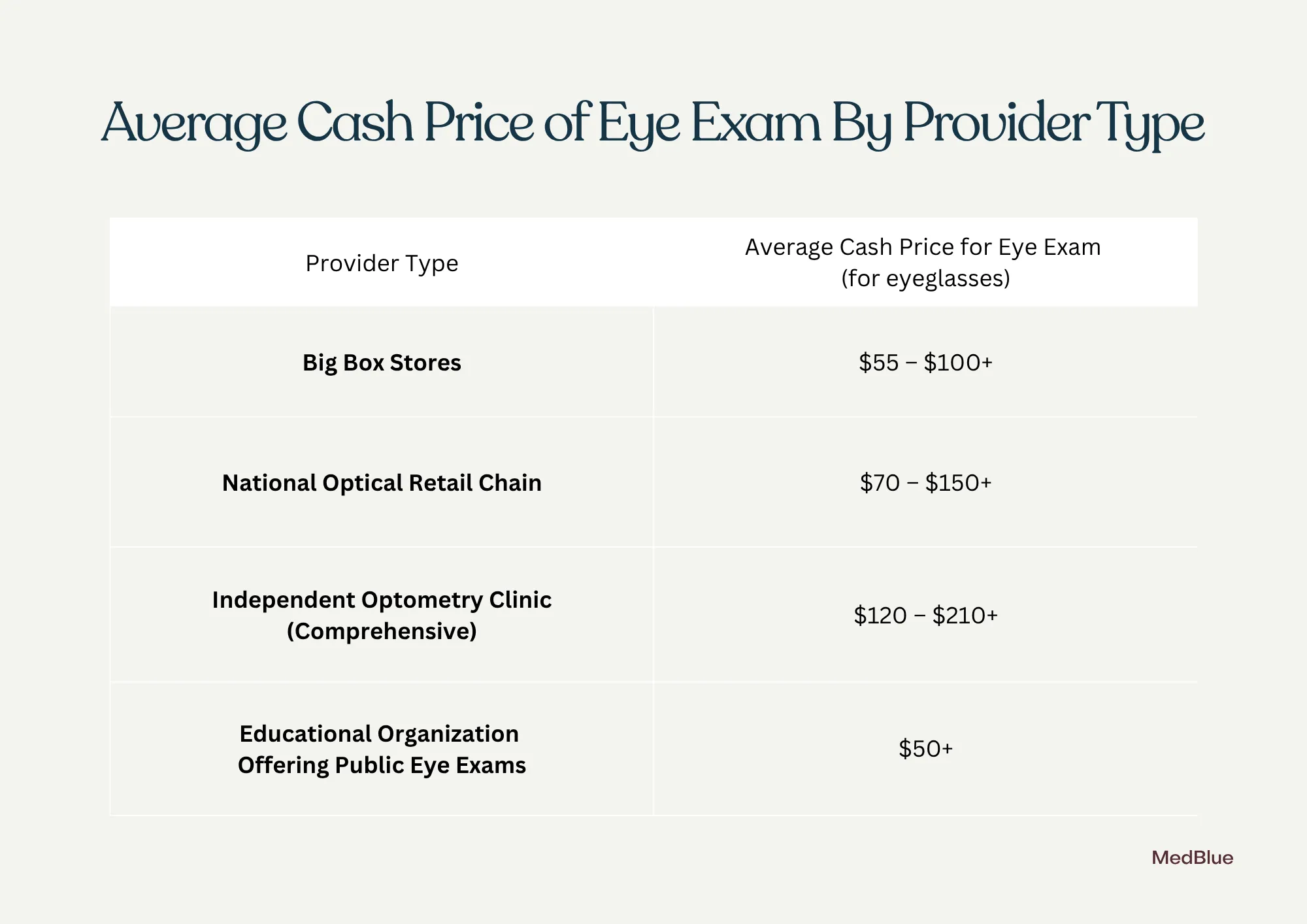
Retailers like Walmart, Sam's Club, and Target often host independent eye care clinics inside of their stores. And those independent clinics often offer lower rates than if you were to go to an independent clinic outside of the store. However, some big box stores have membership requirements to access things like discount eyeglasses, so that is something important to keep in mind. At a big-box retail store eyecare clinic, costs for an eye exam can range from $55 to $100 or more depending on where you live and your unique requirements.
Optical Chains
There are a variety of eyecare chains across the US, and they often offer discounts on eye exams without insurance. Big retail chains in the US include Pearle Vision and America's Best. Costs can be $70 to $150 or more depending on where you live and the retail chain.
Independent Optometry Practices
Private optometry practices are usually the more expensive option when you compare. However, they do usually offer discounts if you are paying upfront. The average costs can range between $120 and $220 or more. However, the costs vary heavily based on the clinic, as they are free to set cash pay prices that make sense for their market. You can call area clinics and ask for pricing, and the positive point of connecting with one clinic is that you can go back year after year and get care from the same practitioner. In addition, private optometry practices often have more advanced care options if you should need more advanced care beyond the eye exam.
Optometry Schools and University Teaching Clinics
Some universities and optometry schools offer public eye exams, and these eye exams can be more affordable than other options. Of course, this option depends on where you live and if the university or optometry school offers this service. You can call in to local universities and optometry schools in your area to inquire and find out pricing. Averages do start at $100, but they can be far lower or higher depending on where you live in the US.
What a Budget-Friendly Eye Exam Should Always Include
An affordable eye checkup should never cut clinical corners. When evaluating an optometrist without insurance, verify that your routine visit incorporates these standard diagnostic assessments listed.
 ### Refraction and Visual Acuity Testing
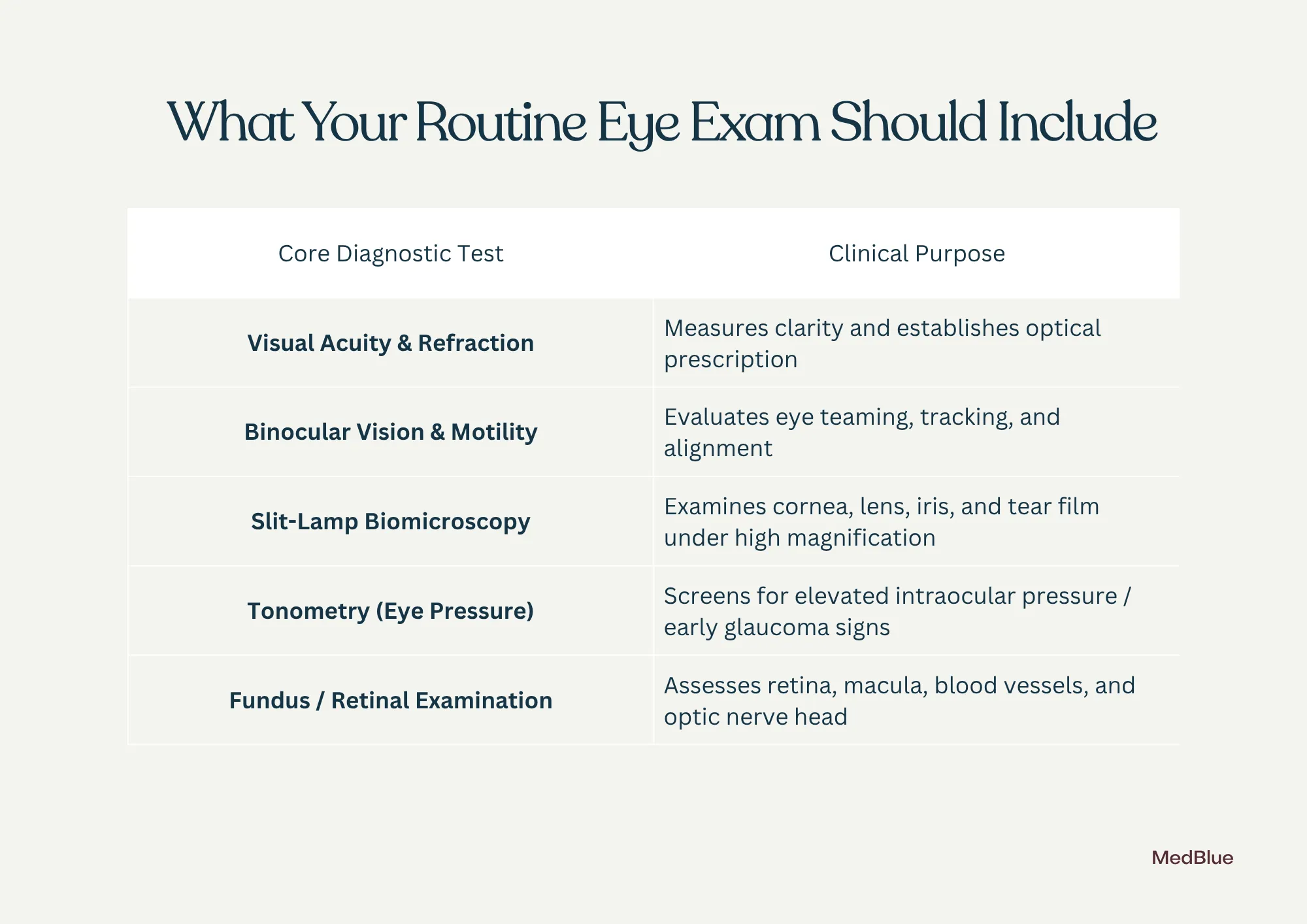
The doctor evaluates how light rays focus on the retina using a phoropter (the instrument where the doctor asks, "Which is better: 1 or 2?") and digital eye charts. This step determines the precise refractive correction needed to bring your visual acuity to 20/20 (or your maximum visual potential).
Glaucoma Screening (Tonometry) and Biomicroscopy
- Tonometry: Measures intraocular pressure (IOP) using a non-contact air puff or an applanation tonometer. Elevated eye pressure is a primary clinical indicator of glaucoma, a sight-threatening disease that damages the optic nerve without presenting early pain or visual symptoms.
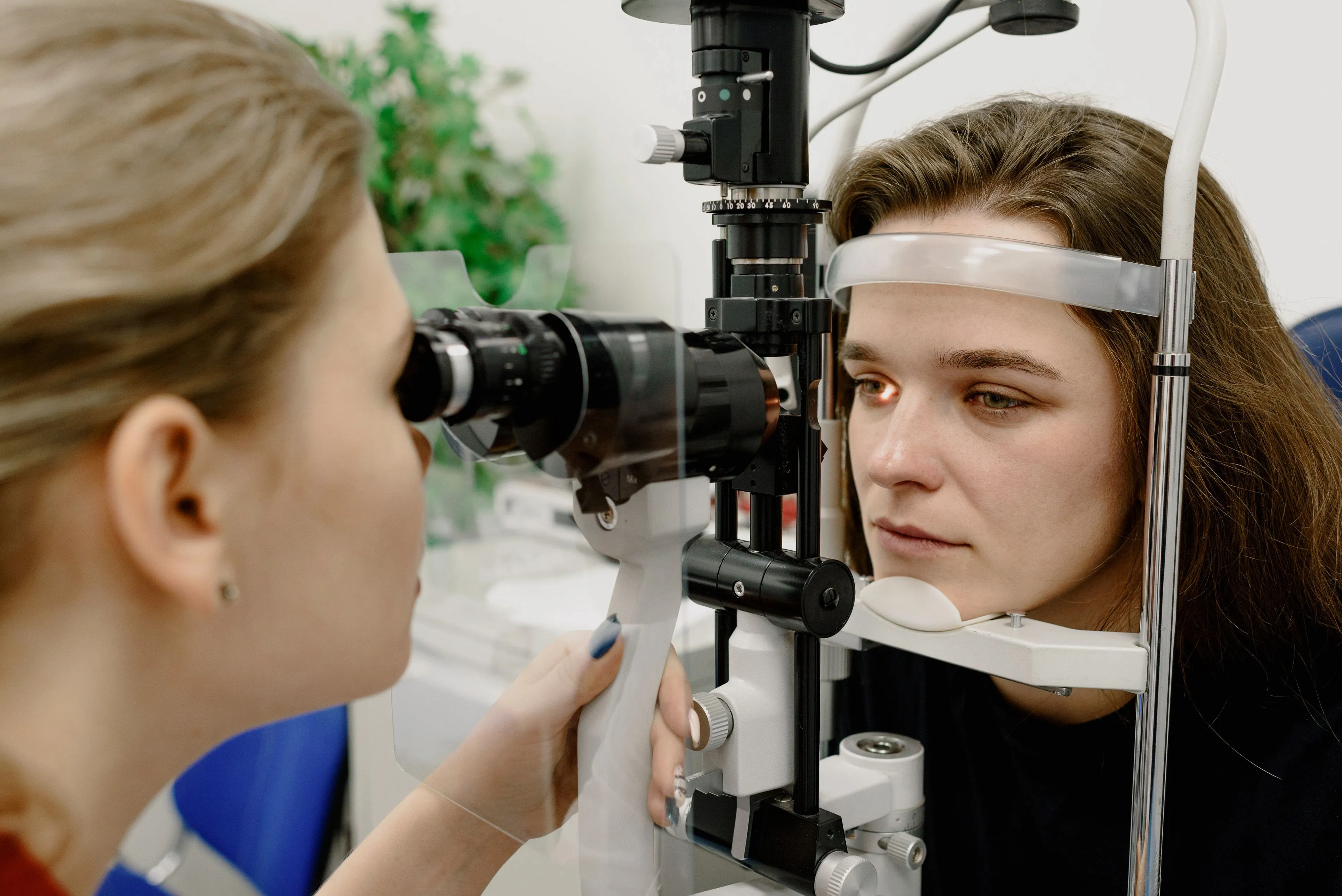
- Slit-Lamp Examination: A high-intensity stereoscopic microscope allows the optometrist to examine the anterior structures of your eye under magnification, checking for dry eye disease, corneal abrasions, cataracts, blepharitis, and allergies.
Dilated Eye Exam vs. Digital Retinal Imaging
To examine the back of your eye (the retina, macula, blood vessels, and optic nerve), the doctor must view the fundus, and that requires the following.
-
Pupillary Dilation (Standard): Eye drops widen your pupils, allowing the doctor to shine a light and look directly into the peripheral retina. Dilation is typically included in your base exam fee, though it leaves eyes light-sensitive and blurry for 3 to 5 hours.
-
Digital Retinal Imaging / Optomap: Many modern clinics offer ultra-widefield digital photography that captures a high-resolution image of the retina in seconds without dilation drops. While convenient, this is usually an optional out-of-pocket upgrade. If you are on a strict budget, you can decline the paid digital imaging and request standard chemical dilation, which is clinically thorough and included in the baseline visit cost.
6 Ways to Get Affordable Eye Exams
Strategic planning can significantly lower your expenses when paying for affordable vision care out of pocket.
Vision Discount Plans
If you don't have employer-sponsored vision benefits, purchasing individual vision insurance rarely makes financial sense once you factor in monthly premiums, waiting periods, copays, and restrictive hardware allowances. Instead, consider vision discount plans.
Discount plans often have a monthly or annual fee to access them, but with them you get access to discounted eye exam rates and prescriptions.
Request Cash-Pay Discounts
Offices offering eye exams pay a lot of administrative fees to bill insurance carriers. When you offer to pay cash, it reduces their administrative overhead, claims processing, and reimbursement delays for optical providers, and so they will give you a discount. Ask about it.
Separate Your Clinical Exam from Hardware Purchases
Under the Federal Trade Commission's (FTC) Eyeglass Rule and Contact Lens Rule, your eye doctor is legally required to hand you a copy of your completed prescription immediately after your exam at no extra charge. And that means you can buy your no insurance glasses or contacts from any provider that you choose.
So, get an affordable eye exam, and also shop around for where you can get the best cash price for your eyeglasses or contacts.
Look for Bundled Promotional Deals
High-volume optical chains routinely run seasonal promotions, particularly during back-to-school periods and year-end inventory transitions. Look for packages that bundle a comprehensive exam with two complete pairs of single-vision glasses. Read the fine print to confirm that basic lenses (CR-39 plastic) are included without mandatory lens coating upgrade fees.
Utilize Federally Qualified Health Centers
For individuals experiencing tighter financial constraints, Federally Qualified Health Centers (FQHCs) and Community Health Centers receive federal funding to provide primary medical, dental, and vision services on a sliding-fee scale based on household size and income. At an FQHC, a comprehensive eye evaluation can cost as little as $20 to $40 if you qualify.
How the MedBlue Discount Plan Reduces Eye Exam Costs for the Uninsured
 MedBlue recognizes the financial strain many uninsured individuals face when seeking eye care, so eye care is a part of the MedBlue discount health plan, which is a health insurance alternative. When you sign up for the MedBlue plan, you access discounts on a wide variety of healthcare needs that include negotiated discounts to eye care professionals in your area. In addition to that, the plan provides discounts on a variety of healthcare needs like doctor visits, X-rays, dentistry, and a prescription discount card.
If you would like to learn more about enrolling in MedBlue's discount health program, which is an alternative to health insurance, you can review our plans page with monthly plans starting at $40. You can also connect with a member of the vision care customer support team if you have questions.
FAQs
Here are some of our most frequently asked questions about affordable eye exams without insurance.
How much is an eye exam without insurance?
The cost for an eye exam without insurance can vary widely based on location, the type of provider, and the specific services rendered. Expect to pay between $100 and $300 on average for a standard eye exam or more. You should ask upfront about the fee structure to avoid unexpected expenses.
What's included in a basic eye exam?
A basic eye exam typically includes a series of tests to evaluate vision and eye health. Essential components often include vision acuity tests, refraction assessments, and examinations of the internal and external structures of the eyes. These tests are crucial for detecting any conditions early and determining the appropriate corrective lenses if necessary.
Can I get an eye exam without insurance at Costco or Walmart?
You can get an eye exam without insurance at most places if you are paying out of pocket, so you do not need insurance to book an appointment at Costco Optical, Sam's Club, or Walmart Vision Centers.
How often do adults actually need an eye exam?
The American Optometric Association (AOA) recommends that adults aged 18 to 64 receive a comprehensive eye examination at least once every two years if asymptomatic, and annually if they wear corrective lenses (glasses or contacts), have systemic conditions such as diabetes or hypertension, or have a family history of ocular diseases like glaucoma. If you are an adult aged 65 or older, a minimum annual recommendation is recommended.
Is an online vision test a legitimate substitute for an in-person exam?
An online vision test is not a legitimate substitute for an in-person exam. That's because online vision tests and smartphone apps only assess basic visual acuity and refractive error; they cannot evaluate the physiological health of your eyes. An online app cannot check intraocular pressure, examine your retina for tears, or identify developing cataracts, glaucoma, or diabetic changes. Online tests should only be used for emergency prescription renewals between in-person appointments, never as a substitute for an annual comprehensive clinical evaluation.
What should I bring to a cash-pay eye exam?
To maximize your visit and avoid repeat appointments, bring your current prescription, eyeglasses, and/or contact lenses. Also, provide a complete list of current medications, supplements, and systemic health conditions. Make sure to also clarify with your provider what type of payment they will accept for cash payments and bring that payment method.
How do prices vary by region and provider type?
As with most medical costs, pricing can vary widely for vision care depending on where you live as well as your provider type. Prices in urban areas can be more expensive, while costs for vision care in smaller towns can be less expensive. And alongside that, the cost will depend on where you get your eye exam done, as retail stores can be lower than private clinics.