October 18, 2026
When to Get a Virtual Dermatologist Appointment
A virtual dermatologist can evaluate and treat many skin conditions online and provide you with a prescription. Online dermatologists hold the same qualifications as in-person dermatologists, with the difference being that the care is delivered virtually. You can connect with a virtual dermatologist through a variety of healthcare platforms; in some cases, like MedBlue's healthcare subscription service, you get free 24/7 telehealth alongside your subscription for discounted health services, which gives you free access to online dermatologist consultations.
In this guide, you'll learn how a virtual dermatologist appointment works, where to access one, and when it is appropriate to choose a virtual appointment versus an in-person consultation.
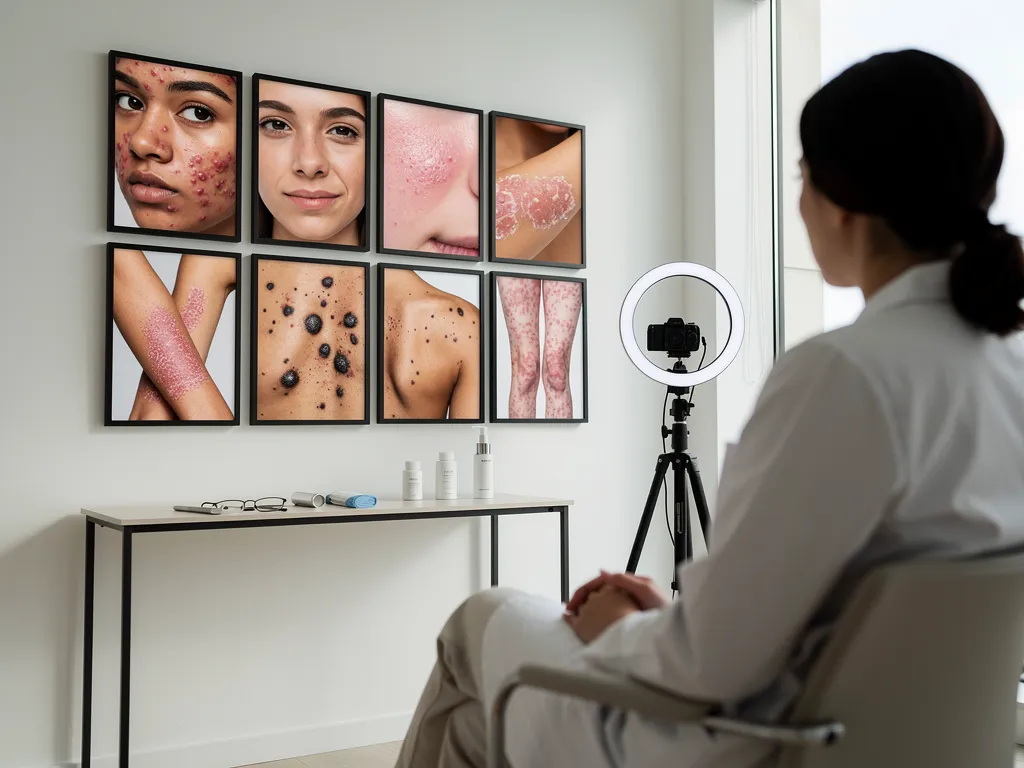 What Kind of Conditions Does a Dermatologist Treat?
Common and Chronic Skin Conditions
Dermatologists are equipped to diagnose and manage a wide spectrum of skin conditions. Among the most prevalent are acne, rosacea, eczema (also known as atopic dermatitis), and psoriasis. Infections, whether fungal or bacterial, as well as contact dermatitis, hives (urticaria), and hair loss conditions like alopecia areata or androgenetic alopecia, are also frequently treated.
Cosmetic Concerns and Preventative Skin Health
Beyond medical issues, dermatologists address cosmetic concerns such as hyperpigmentation, melasma, and signs of photoaging, including fine lines and uneven skin texture. Preventative care includes mole and lesion surveillance to identify suspicious changes early, helping reduce skin cancer risk through regular skin checks.
When Can You Use a Virtual Dermatologist?
 ### Ideal Scenarios for an Online Dermatologist Consultation
A virtual dermatologist or an online dermatologist consultation is most effective for managing chronic skin condition flare-ups like acne or eczema, obtaining prescription renewals or dosage adjustments, evaluating mild localized rashes, and seeking second opinions without geographic barriers. Telehealth doctors provide affordable care and are useful when in-person visits are inconvenient, delayed, or unaffordable.
Situations Requiring an In-Person Clinic Visit
A virtual dermatologist appointment is not suitable for all dermatologic needs. An in-person clinic visit is essential for suspicious or rapidly changing moles that require physical dermoscopy and biopsy, comprehensive full-body skin cancer screenings, surgical interventions including excisions, in-office injections, and severe rashes accompanied by systemic symptoms such as fever, mucosal involvement, or respiratory distress, which may indicate emergencies.
Conditions a Virtual Dermatologist Can Assess Online
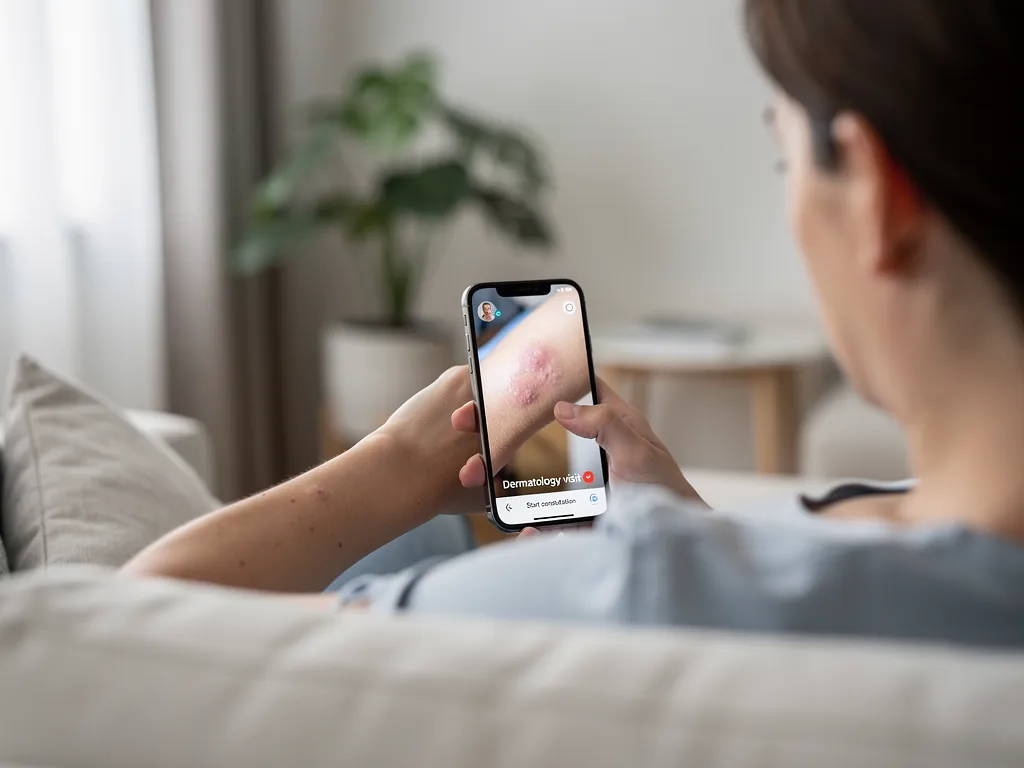 Many common skin, hair, and nail concerns can be evaluated remotely through photos or live video, as long as the condition does not require hands-on examination or in-office procedures. Below are the main categories a virtual dermatologist can typically assess.
Inflammatory and Chronic Skin Conditions
Flare-ups of acne, rosacea, eczema (atopic dermatitis), and psoriasis are well suited to virtual review. A dermatologist can assess severity from clear photos, adjust an existing treatment plan, or prescribe a new topical or oral medication based on how the condition is progressing.
Infections and Skin Irritations
Fungal and bacterial infections, contact dermatitis, and hives (urticaria) can often be identified and treated through a virtual visit, particularly when the irritation is localized and the patient is not showing signs of a systemic reaction.
Hair and Scalp Conditions
Hair loss concerns such as alopecia areata and androgenetic alopecia can be evaluated online using photos of the scalp and hair pattern alongside a detailed history, allowing a dermatologist to recommend an appropriate treatment course.
Cosmetic and Pigmentation Concerns
Issues like hyperpigmentation, melasma, and signs of photoaging such as fine lines and uneven texture are also well suited to virtual consultations, since they are usually assessed visually rather than through physical examination.
Here's a quick side-by-side look at which conditions are typically well suited to a virtual visit and which ones call for an in-person dermatologist.
Category | Can Be Treated Virtually | Requires an In-Person Visit |
|---|---|---|
Inflammatory & chronic skin conditions | Acne, rosacea, eczema (atopic dermatitis), and psoriasis flare-ups | Severe flares with systemic symptoms (fever, widespread blistering) |
Infections & irritations | Localized fungal or bacterial infections, contact dermatitis, hives (urticaria) | Rashes with systemic symptoms such as fever, mucosal involvement, or respiratory distress |
Moles & lesions | General skin concerns and routine questions | Suspicious or rapidly changing moles needing dermoscopy or biopsy; full-body skin cancer screenings |
Hair & scalp conditions | Alopecia areata and androgenetic alopecia evaluation via photos and history | Scalp conditions needing a scalp biopsy |
Cosmetic & pigmentation concerns | Hyperpigmentation, melasma, and signs of photoaging | In-office cosmetic procedures such as injections or laser therapy |
Procedures | Diagnosis and treatment planning only | Surgical interventions, excisions, and in-office injections |
Why Use a Telehealth Dermatologist? Key Benefits and Advantages
Immediate Access and Eliminated Wait Times
Traditional dermatology appointments often involve waiting several weeks or months. In contrast, consulting a telehealth dermatologist can reduce wait times dramatically, frequently providing a diagnosis and treatment plan within 24 to 48 hours after submitting your online consultation.
Flexible Care Models: Asynchronous (Store-and-Forward) vs. Live Video
Teledermatology platforms utilize two main care delivery methods. Asynchronous store-and-forward allows patients to upload photos and clinical history at their convenience; dermatologists evaluate the data remotely and respond with recommendations. Live video consultations facilitate real-time dialogue for more interactive clinical assessments, closely mimicking in-office visits.
Pricing Transparency and Flat Cash-Pay Rates
Many virtual dermatology platforms offer clear, upfront pricing without hidden facility fees, providing predictable flat-rate cash payments for consultations. This transparent pricing enhances affordability and removes bureaucratic billing barriers commonly seen in traditional healthcare settings.
How Do Virtual Dermatologist Consultations Work?
 ### From Intake to Diagnosis
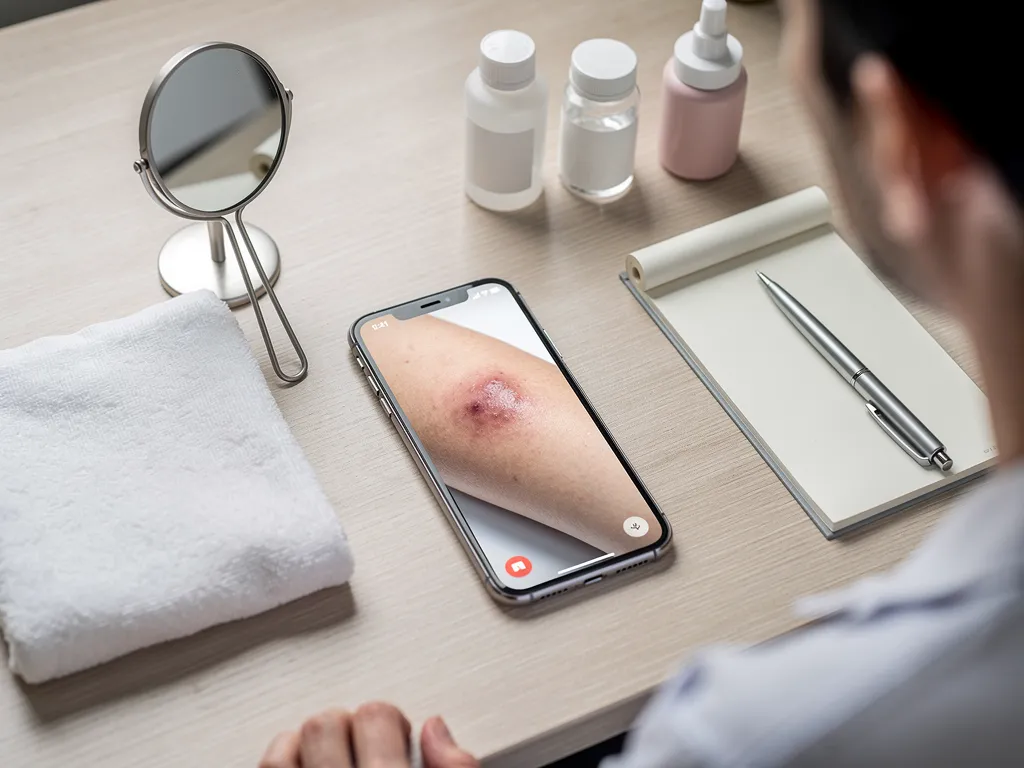
A virtual dermatologist consultation generally follows a consistent clinical workflow. After creating an account on a telehealth platform, the patient completes an intake questionnaire covering symptoms, duration, and relevant medical history. Depending on the platform, the patient then either uploads photos of the affected skin for asynchronous review or joins a scheduled live video call for a real-time assessment. A board-certified dermatologist or supervised advanced practice provider reviews the submitted information and typically returns a diagnosis and treatment plan within 24 to 48 hours.
Prescription Fulfillment and Follow-Up
Once a diagnosis is confirmed, any prescribed medication can be routed electronically to a local retail pharmacy for pickup or fulfilled through a mail-order subscription for ongoing home delivery. The clinician may schedule follow-up check-ins through the same platform to track progress, address side effects, and adjust the treatment plan as needed, keeping the entire process, from first consultation to ongoing care, within the same online system.
Different Types of Telehealth Dermatology Providers
Board-Certified Dermatologists (FAAD / MD & DO)
The highest credentialed telehealth dermatology providers are board-certified dermatologists who have completed accredited residency training and often hold FAAD certification. They possess deep expertise in all dermatology subfields and manage complex medical, surgical, and cosmetic cases remotely.
Advanced Practice Providers (Dermatology NPs & PAs)
Telehealth dermatology services may also include advanced practice providers such as Nurse Practitioners (NPs) and Physician Assistants (PAs) specialized in dermatology. These clinicians assess patients and prescribe treatments under established clinical protocols and physician supervision.
Types of Providers for Telehealth Dermatology
 ### Direct-to-Consumer Platforms vs. Health System Portals
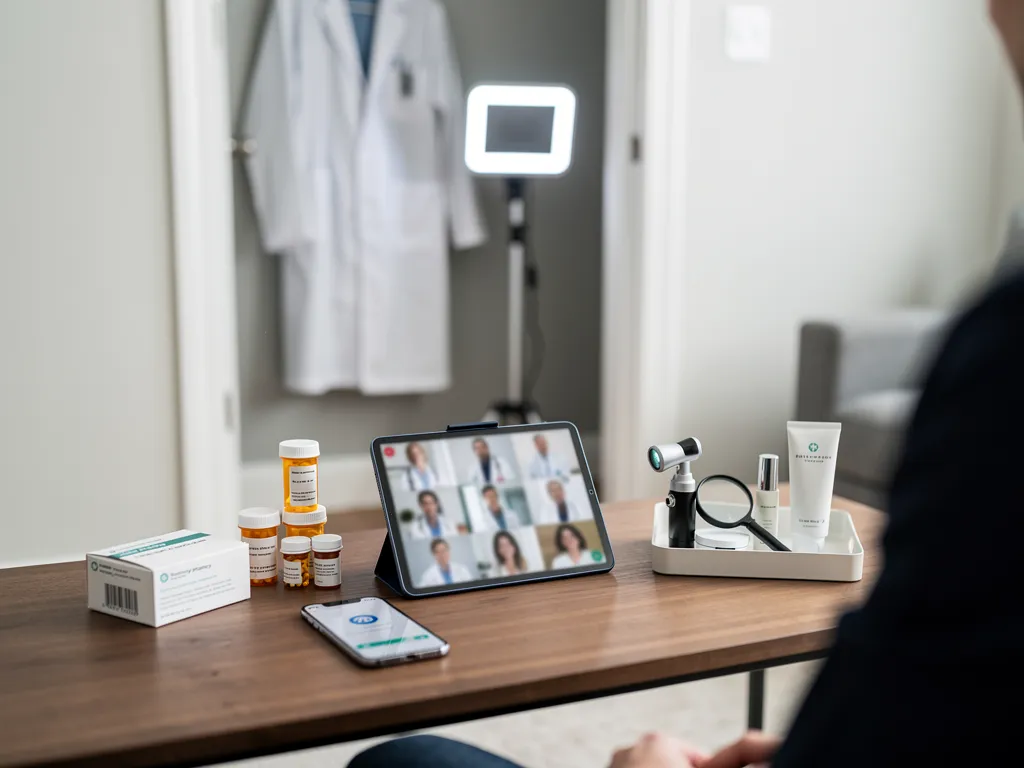
Direct-to-consumer teledermatology platforms often bundle a virtual dermatologist appointment with mail-order medication services for greater convenience. In contrast, health system portals integrate teledermatology within existing hospital or clinic infrastructures, tying into medical records but sometimes offering less flexibility.
Discount Payment Plans (DPP)
Discount Payment Plans and similar membership-based models, such as Discount Medical Plan Organizations (DMPOs), negotiate reduced rates for healthcare services, including dermatology consultations. Subscribers pay a monthly or annual membership fee and, in exchange, gain access to discounted or even bundled unlimited telehealth visits, making ongoing skin care more predictable and affordable compared to paying full price per visit.
MedBlue provides 24/7 telehealth for free when you become a MedBlue member, with costs starting at $59 a month. That cost includes telehealth as well as discounts on prescriptions, in-person doctor visits, lab tests, and more. It is not health insurance, but an alternative.
Telehealth Platforms
Dedicated telehealth platforms connect patients directly with board-certified dermatologists or supervised advanced practice providers through secure video calls or asynchronous photo review. Many of these platforms operate on a flat-fee, cash-pay basis and bundle the consultation with mail-order prescription fulfillment, giving patients a single, convenient channel from diagnosis through ongoing treatment.
Others
Additional paths to virtual dermatology care include health system portals that integrate teledermatology into existing hospital or clinic infrastructure, Direct Primary Care (DPC) practices that combine in-person visits with virtual consults, and healthcare sharing ministries that sometimes include telehealth benefits within their membership. Each option varies in cost, flexibility, and how closely it ties into a patient's broader medical record, so it is worth comparing what fits your care needs and budget.
How Can You Access Telehealth Dermatology Services?
 What Do You Need to Provide for an Online Doctor Consultation?
Best Practices for Diagnostic-Quality Skin Photos
High-quality images are critical. Use natural, indirect sunlight for accurate coloring. Take wide-angle photos showing the affected area’s context plus focused close-ups from multiple angles. Avoid makeup, filters, or editing. Use a common object like a coin or ruler for scale if applicable.
Essential Medical History and Symptom Details
Prepare a detailed clinical history including onset time, symptom severity (itching, pain), duration, previous treatments tried, current skincare and topical medication usage, prescription drugs, drug allergies, and relevant family medical history.
How to Get Your Dermatologist Subscription Online
Virtual Evaluations and Tailored Formulas
Following digital assessment, a virtual dermatologist can develop personalized topical or oral medication regimens targeted to your diagnosis and skin type, tailored for optimal results.
Digital Pharmacy Routing vs. Home Delivery Subscriptions
Prescriptions may be electronically routed to a local retail pharmacy for convenient pickup or fulfilled via mail-order subscription services offering ongoing home delivery of medications and skin care products.
Ongoing Clinical Follow-ups and Formula Adjustments
Regular follow-ups through the telehealth platform help monitor progress, manage side effects, and adjust medication strength or formulas to ensure safe and effective treatment over time.
Taking Control of Your Skin Health Through Telehealth
 Telehealth dermatology offers timely, accessible, and expert care that breaks down traditional geographic and scheduling barriers. While it is ideal for managing many skin conditions via a simple online dermatologist consultation, certain clinical situations still require in-person evaluation. With a range of providers and flexible care models, virtual dermatologists empower patients to achieve clear, healthy skin under professional guidance from the comfort of home.
FAQs
How much does an online dermatologist consultation cost without insurance?
Out-of-pocket consultation prices for asynchronous reviews typically range from $40 to $100, while live video calls may cost $75 to $150 or more. Medication costs are charged separately depending on prescribed drugs. If you are subscribed to a health subscription service, online dermatologist consultations are often included for free.
Does health insurance cover virtual dermatologist appointments?
Insurance coverage varies. Many plans include telehealth dermatology with parity to in-person visits, entailing standard copays. Coverage depends on network status and whether the provider accepts your insurance. Health Savings Account (HSA) or Flexible Spending Account (FSA) funds can often be applied.
Can a virtual dermatologist treat urgent or sudden skin rashes?
Telehealth providers can triage acute conditions like poison ivy or early shingles intervention; however, urgent severe rashes, especially with systemic symptoms, require immediate in-person or emergency care.
Are prescriptions issued by an online dermatologist valid at any pharmacy?
Yes. E-prescriptions from licensed telehealth dermatologists compliant with state regulations are legally valid and accepted at any retail or mail-order pharmacy.
Can an online dermatologist prescribe controlled substances like Accutane (Isotretinoin)?
Prescribing isotretinoin involves strict FDA iPLEDGE program mandates, including monthly lab testing and follow-ups. Some specialized teledermatology services meet these requirements and provide comprehensive management of isotretinoin treatment remotely.